
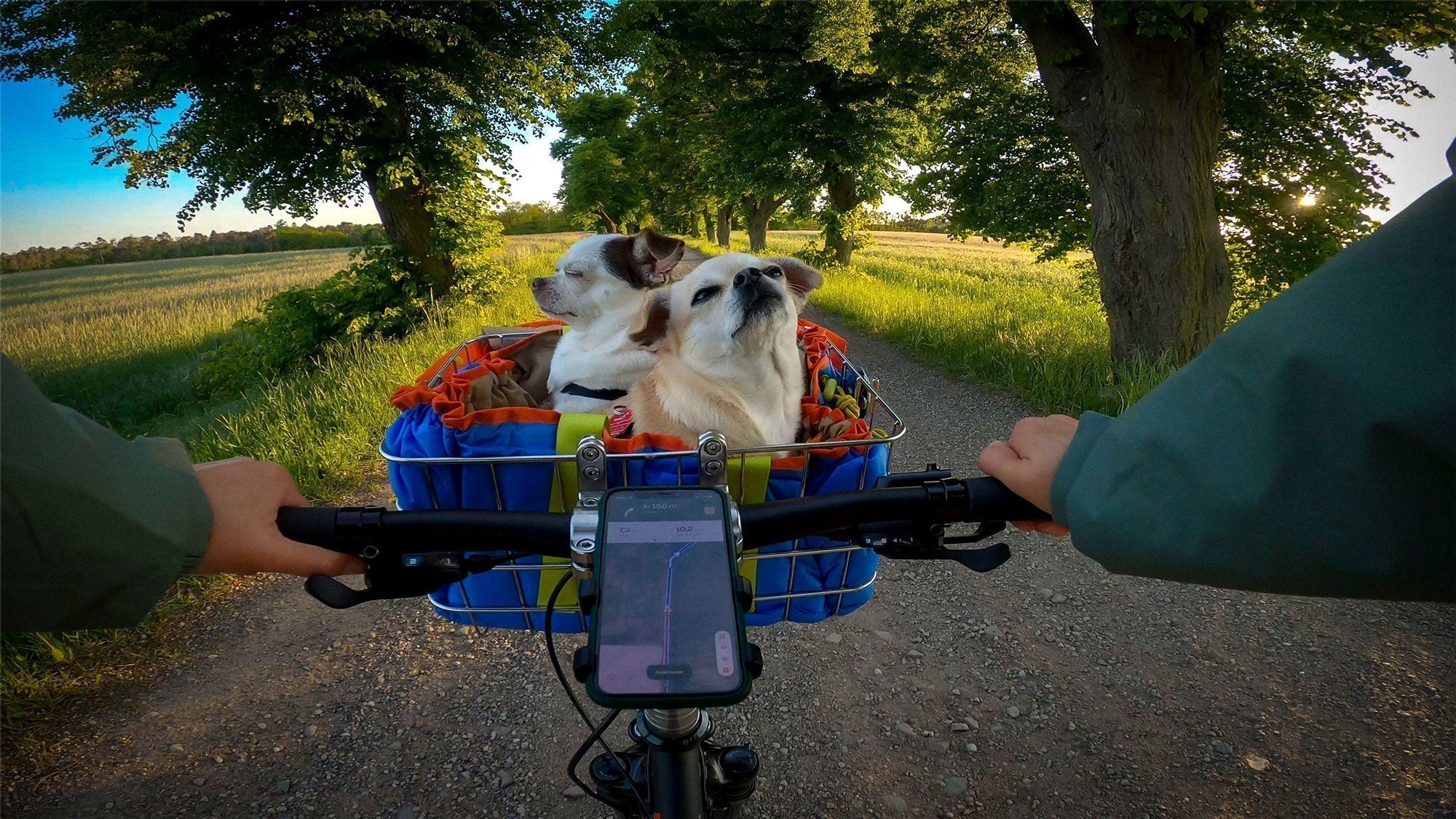
Cycling with a dog is for many the next logical step.
More movement, more flexibility, more shared routes.
And at the same time, a central question arises:
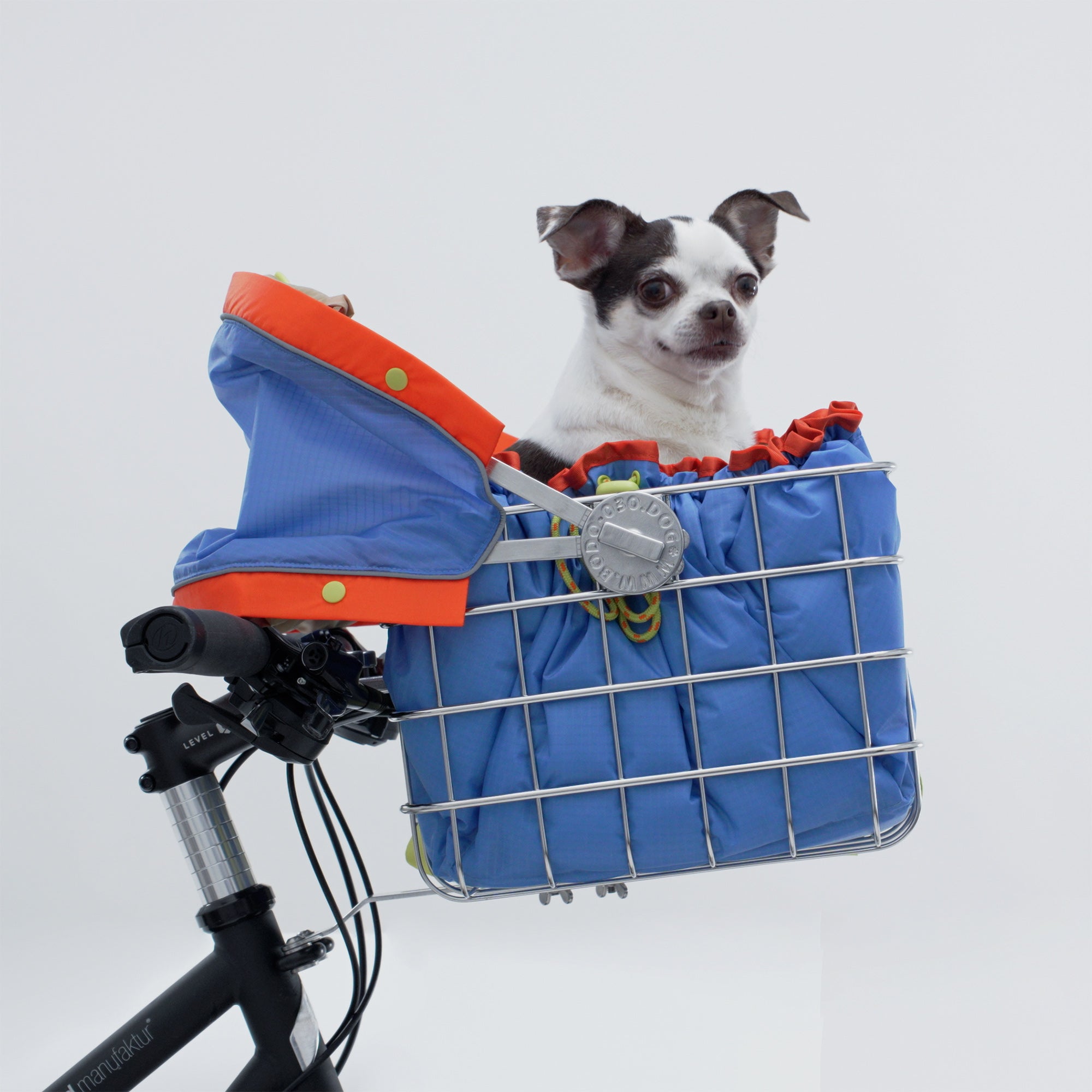
How do you get a dog used to a bicycle dog basket – without stress, without risk?
The answer lies not in a method, but in a process.
What matters when cycling with a dog?
When cycling with a dog, it comes down to a calm, step-by-step habituation to the bicycle dog basket.
A stable basket, controlled first movements and the dog’s ability to settle calmly in the basket are crucial.
Short training sessions, a safe environment and attentive observation form the basis for relaxed rides.
Want to help your dog get used to the bike basket step by step? Find the complete guide here: Getting your dog used to a dog bike basket.

Which dogs are suitable for a bicycle dog basket?
In principle, this question is easier to answer than many think.
It is less about the breed – and much more about character. Small dogs bring the best physical conditions. What matters, however, is how a dog reacts to new situations.
A calm, adaptable dog with a close bond to its human will usually get used to the bicycle dog basket more quickly. A sensitive or insecure dog needs more time – but not fewer opportunities.
Training is therefore not based on a category, but on the individual pace.
How long does it take until a dog can cycle?
Here, too, there is no fixed answer – and that is exactly what is important to understand.
Some dogs sit relaxed in the basket after just a few sessions. Others need many small training steps over a longer period of time. Progress is rarely linear. There are phases without visible development – and sometimes even setbacks.
It is precisely in these phases that the foundation for later behavior in the bicycle dog basket is created.
What matters is not how quickly a dog sits in the basket.
What matters is whether it settles calmly there.
Only when this state is reached does actual cycling begin.

The foundation: calm instead of excitement
The most common mistake does not happen during the ride, but before it.
Too much emotion. Too much motivation. Too much “now we start”.
From the dog’s perspective, a bicycle dog basket is initially an unfamiliar object – elevated, moving, unusual. For it to become a safe place, one thing is needed above all: calm.
The so-called 70/30 rule sums it up:
70% calm, patience and understanding – 30% calm, controlled joy.
The bicycle dog basket should not be an event, but a place that does not trigger uncertainty.
The first contact
Before your dog sits in the basket, training begins on the ground.
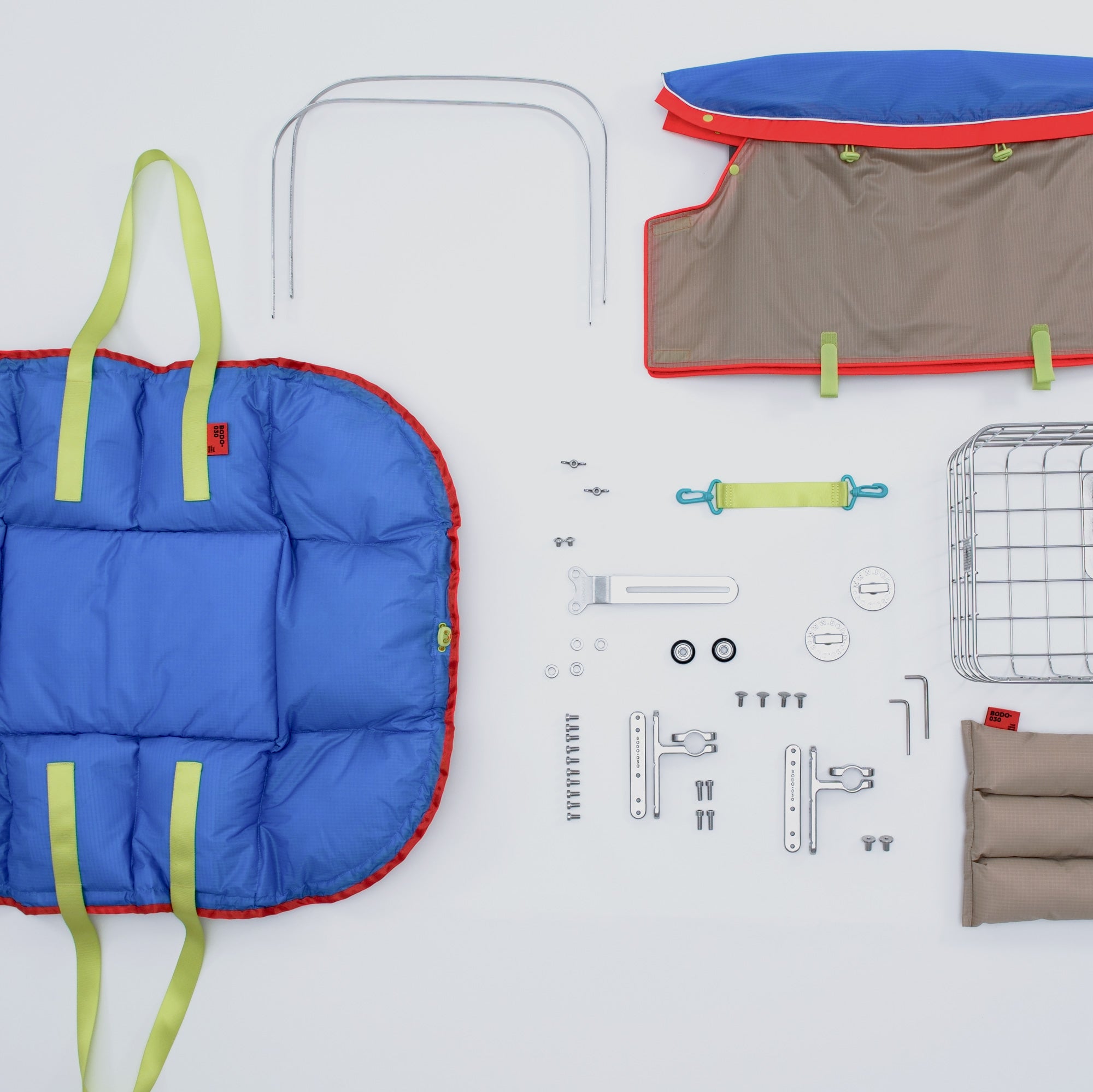
The basket is assembled and placed in the space – not as the center, but as a natural part of the environment. Your dog decides if and when it approaches.
Sniffing, observing or ignoring – all of this is already part of the process.
The less importance you give to this situation, the easier your dog can classify it.

Trust is built in the details
The first conscious contact is a quiet moment – but a decisive one.
This is where the connection between object and feeling is created. Your dog does not learn to know the basket, but what it experiences in it.
That is why nothing is forced in this phase. Approach comes from intrinsic motivation, supported by calm confirmation and targeted rewards.
High-quality treats can help – but they do not replace the atmosphere.
If insecurity becomes visible, it is not a setback, but a signal to slow down one step.
The interior becomes a place of calm
Before movement comes into play, your dog needs a fixed reference point.
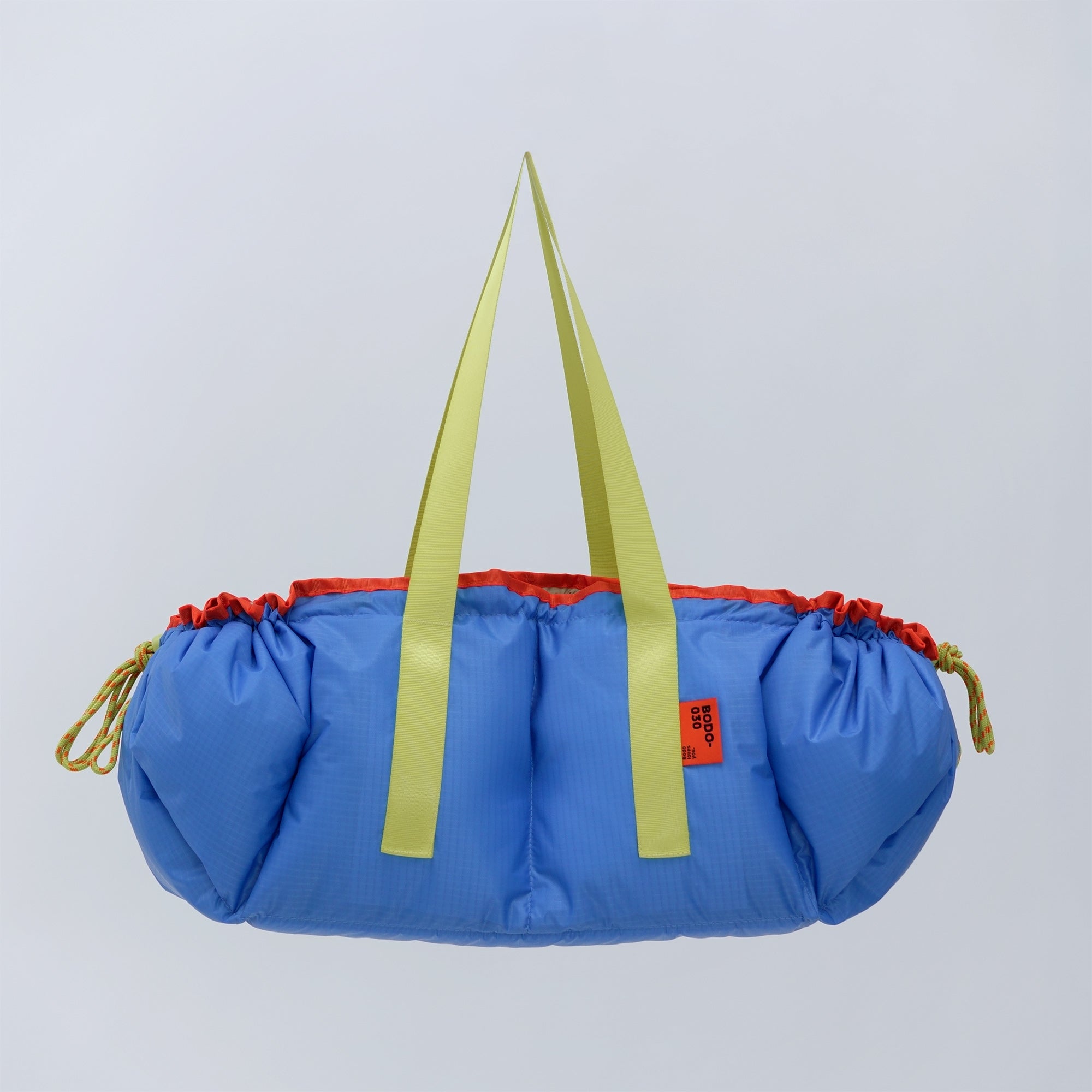
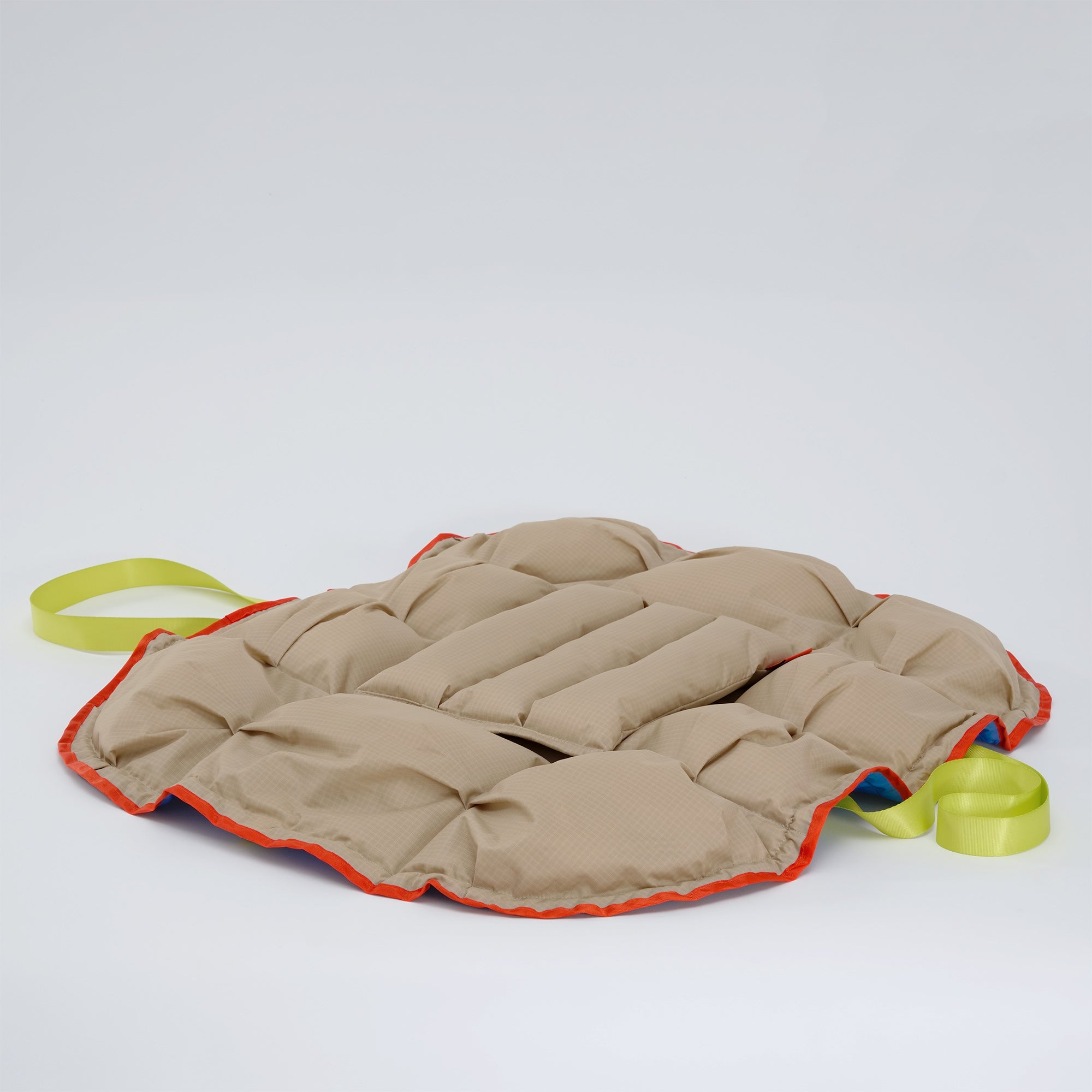
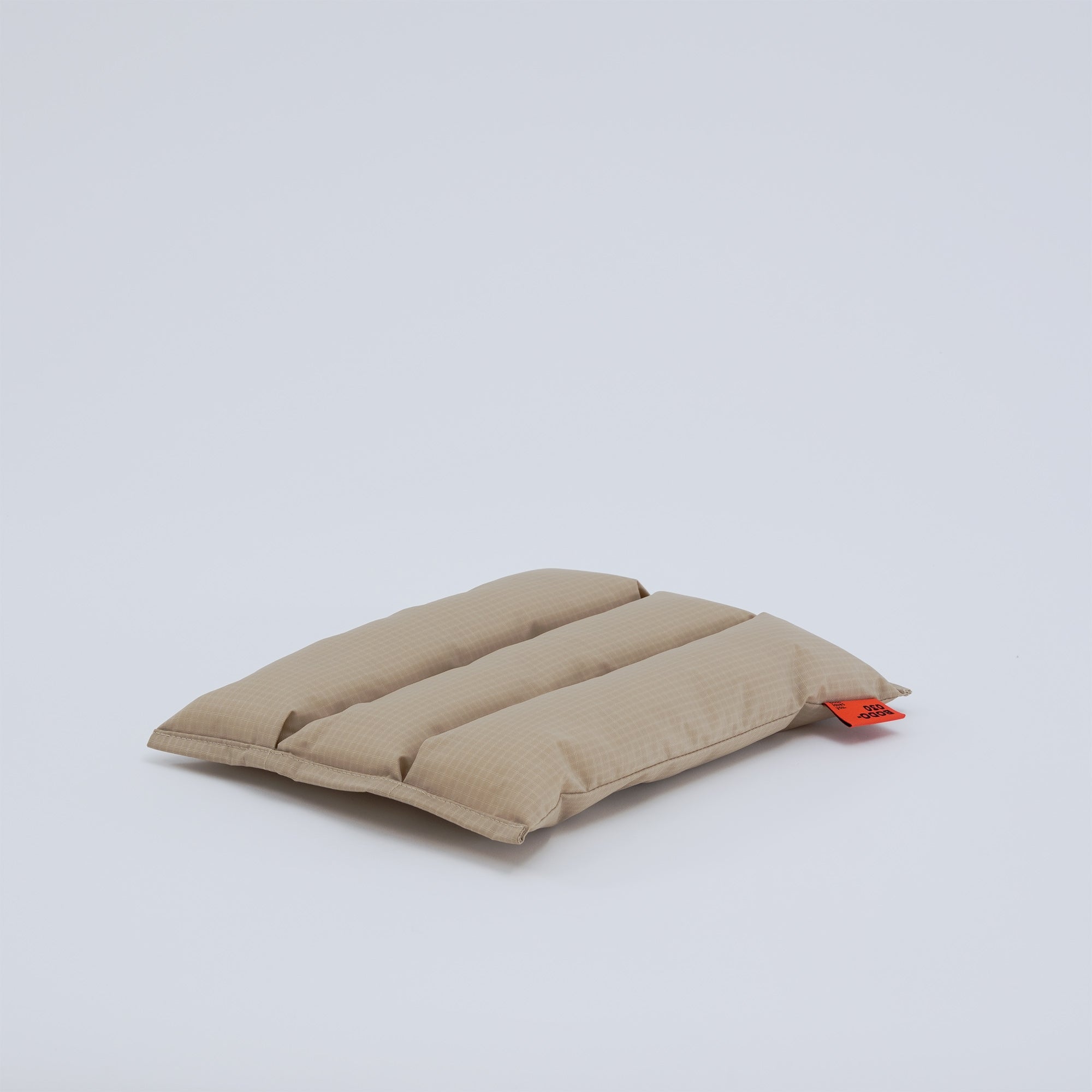
An insert, bag or blanket is first used outside the basket. Your dog learns to sit or lie on it while the duration is gradually increased. Only when this state is stable does training continue in the basket.
The space changes.
The feeling remains.
That is exactly the goal.

Posture instead of position
A relaxed dog does not just sit – it stays.
A dog that sits calmly is attentive.
A dog that lies calmly has arrived.
The longer your dog can remain relaxed in position, the more stable every movement will be later. Especially in open systems without full restraint, this ability is essential.
A clear structure is important: your dog does not decide when to jump into or out of the basket. You place it in and take it out.
This creates orientation and safety.
Habituation to roof and sounds
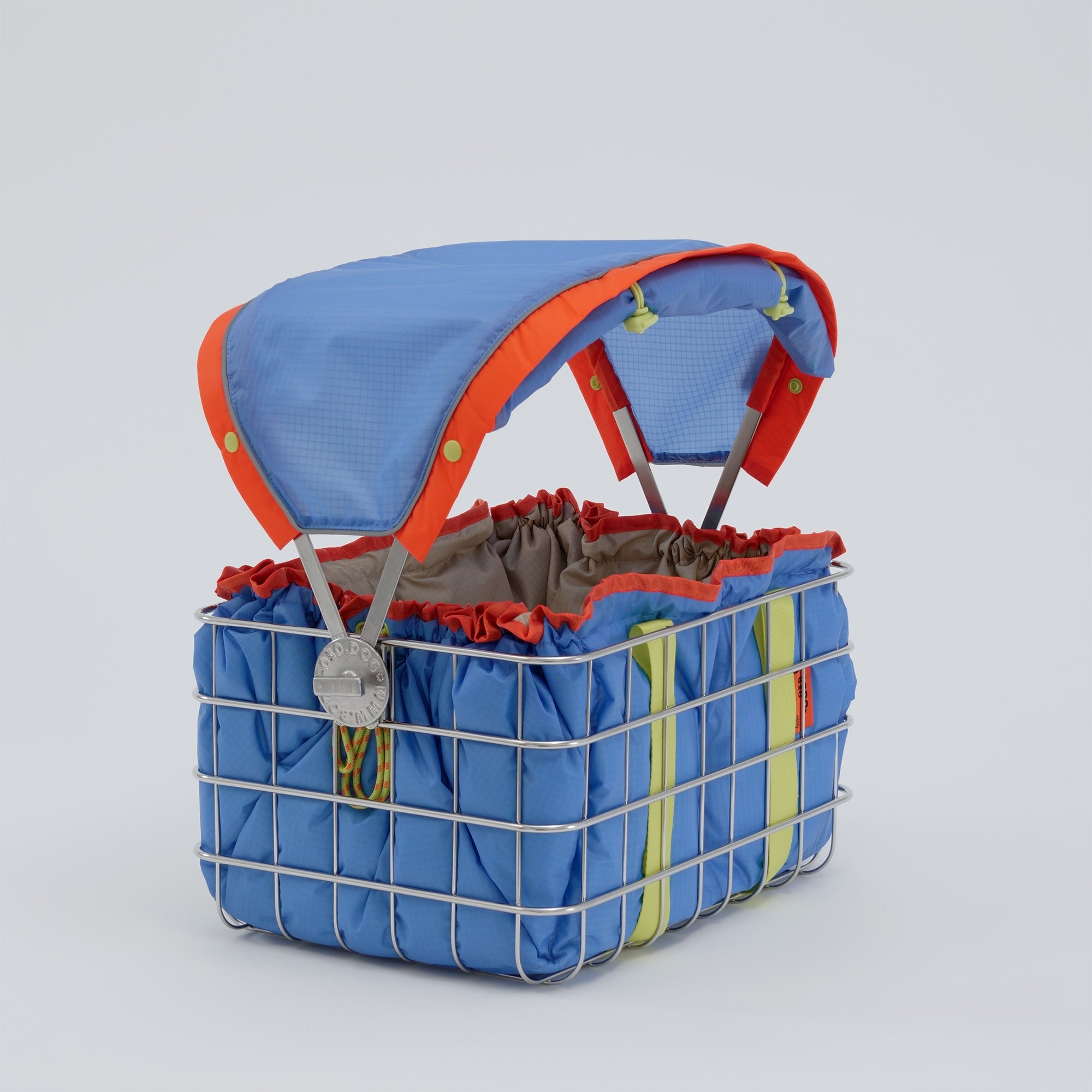
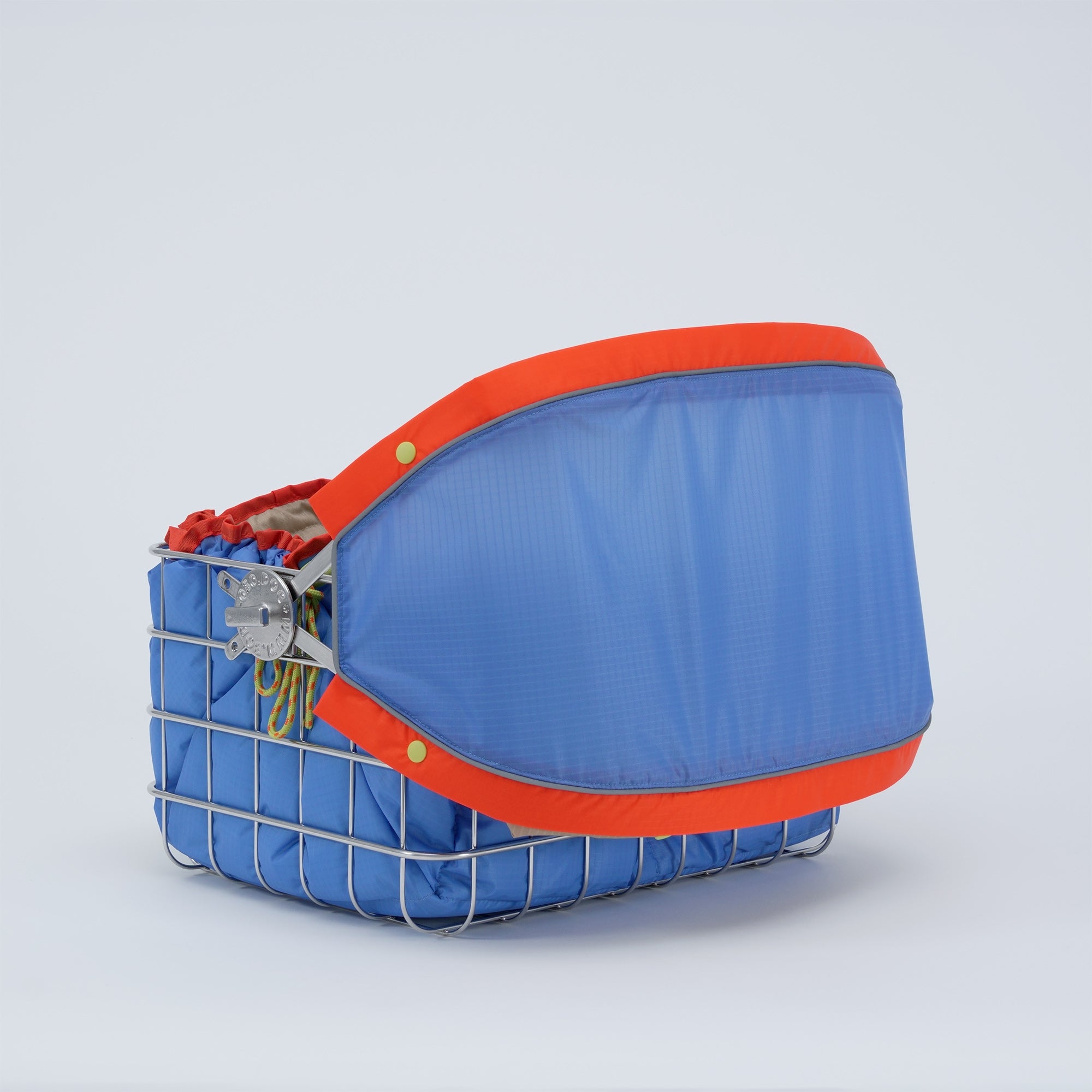
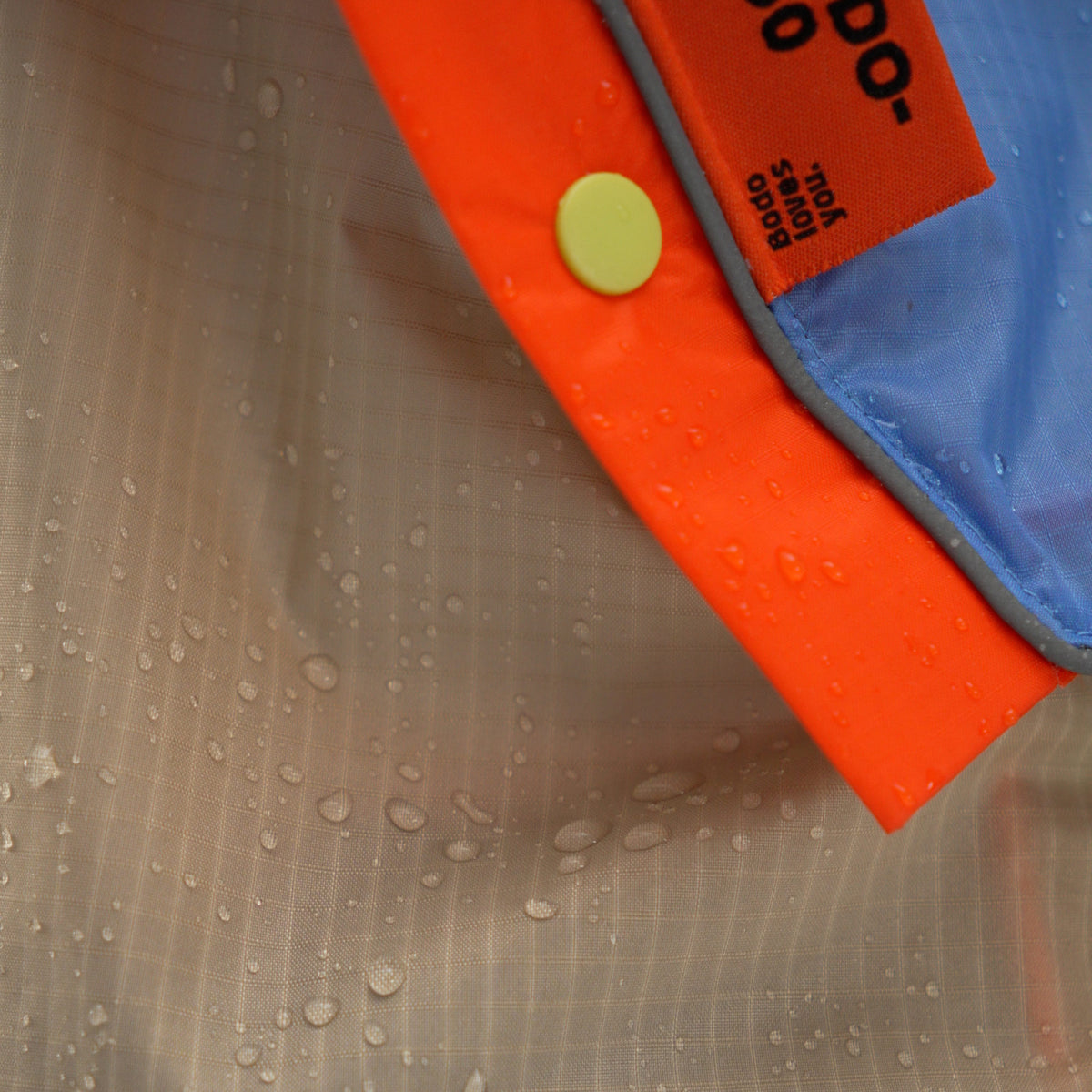
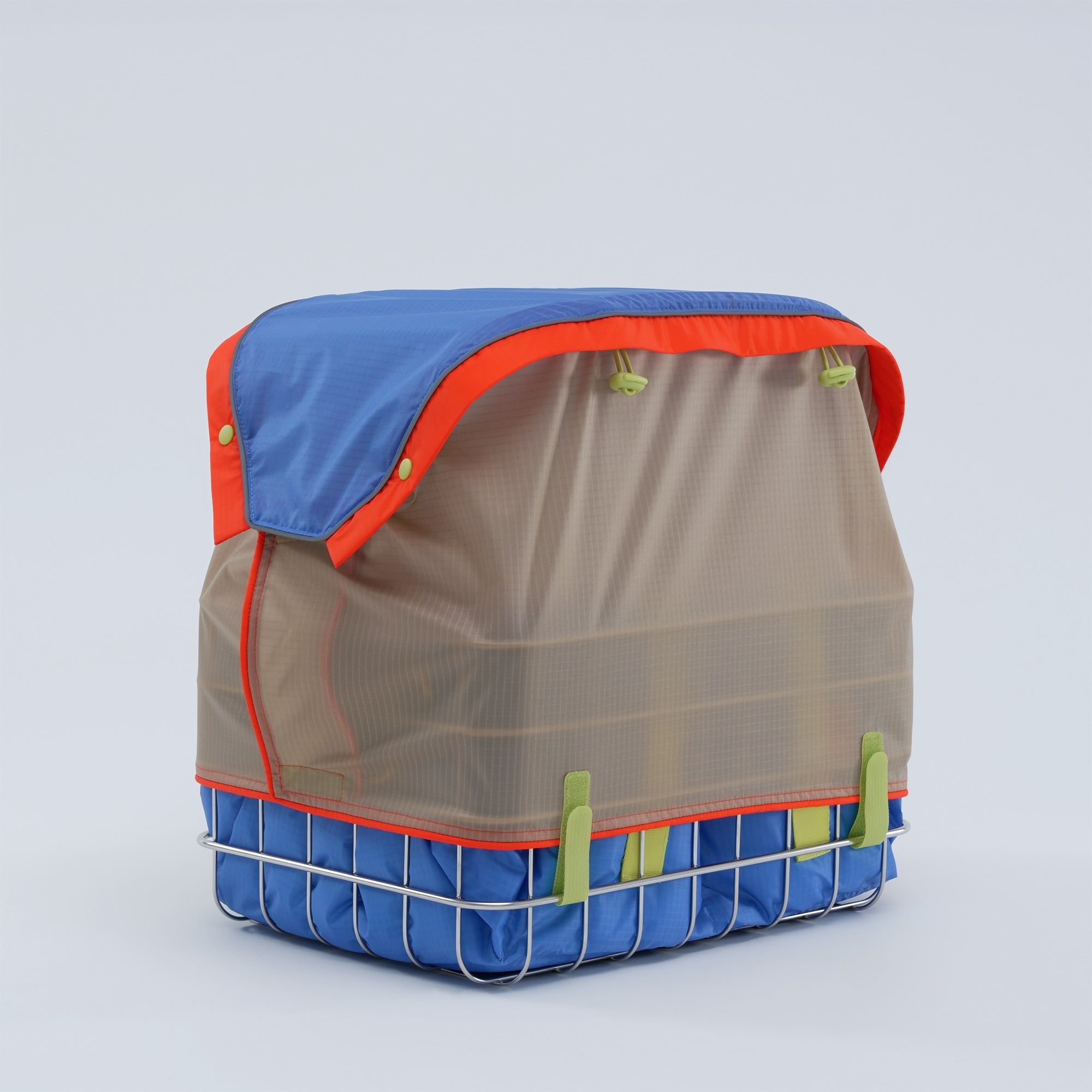
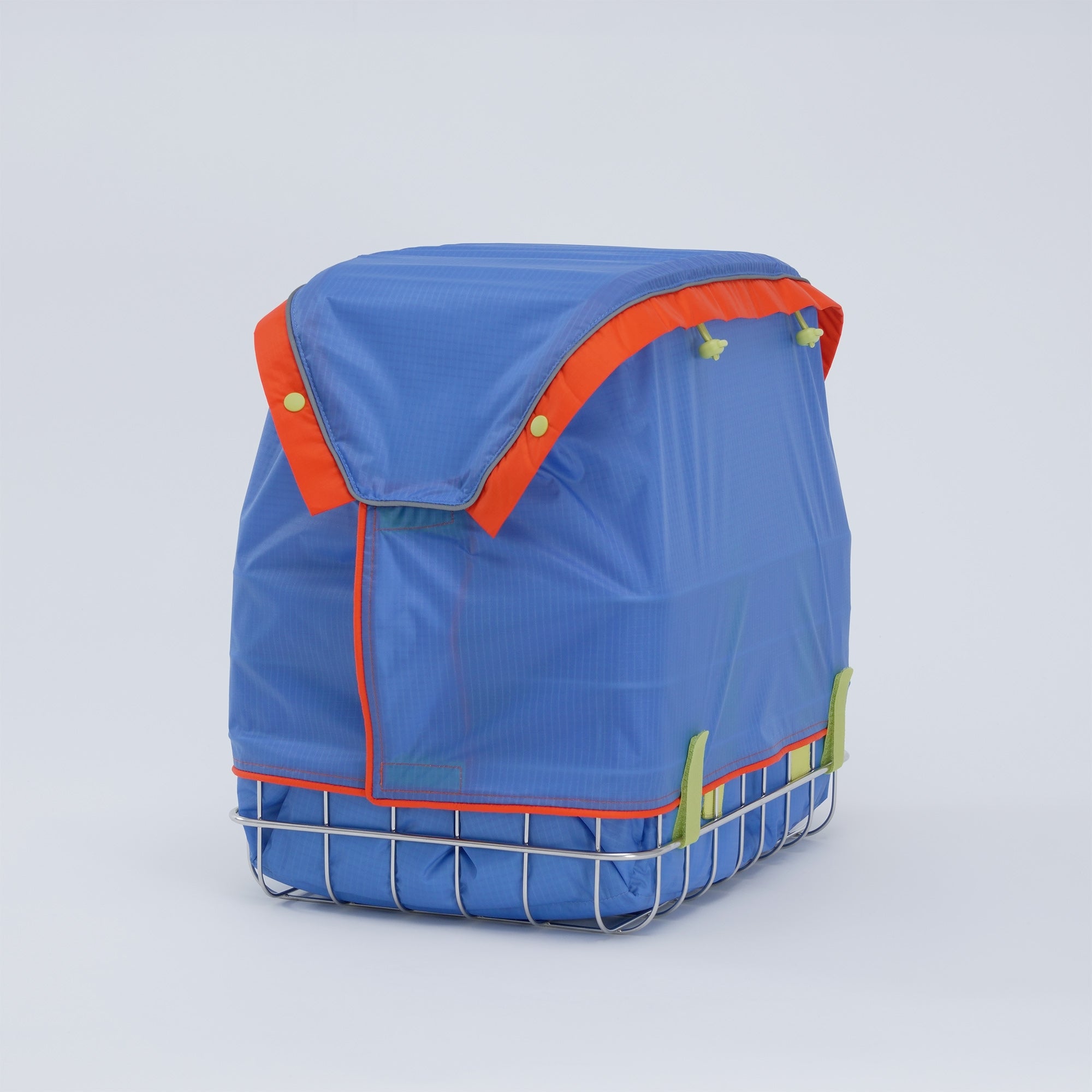
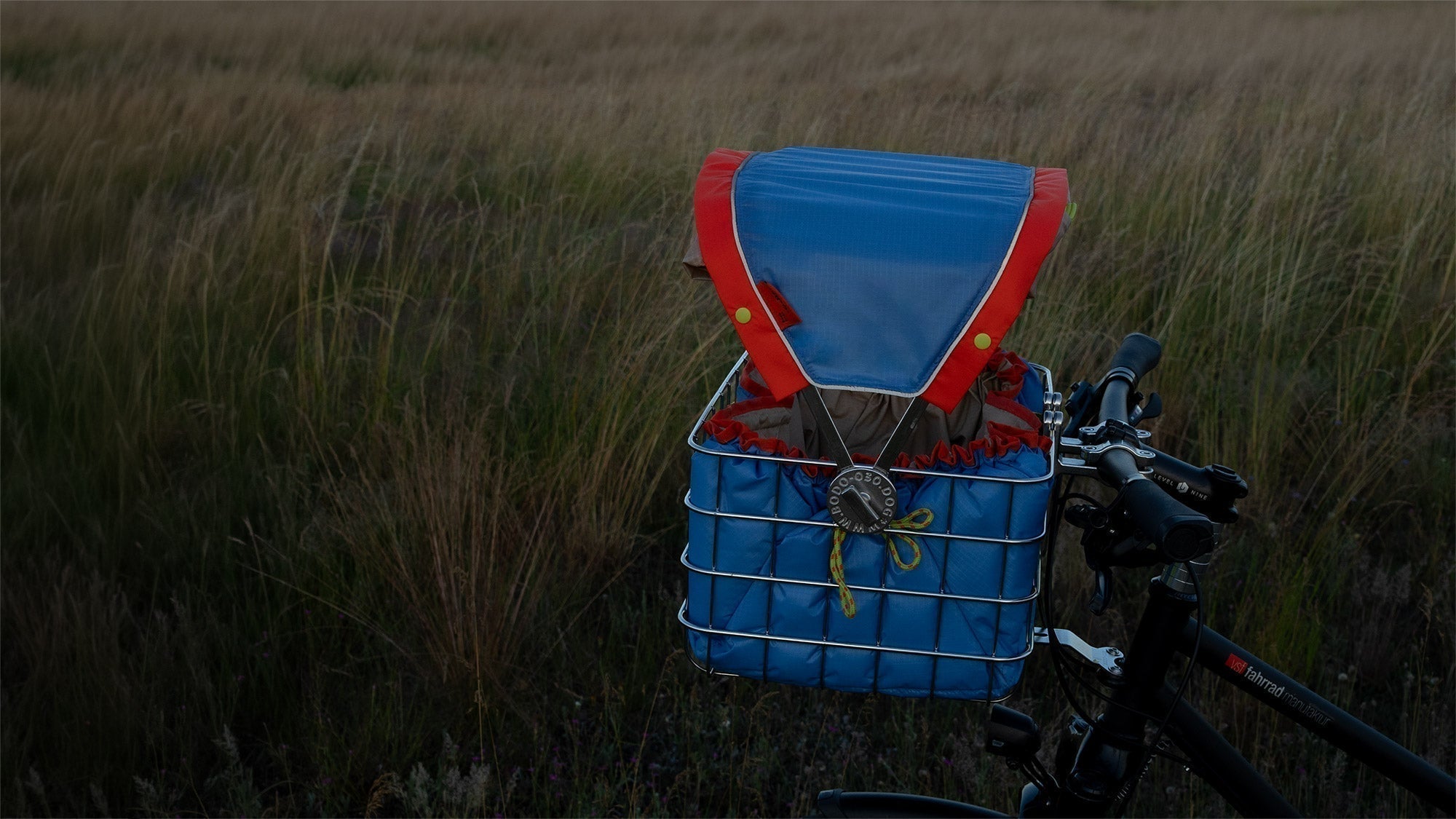
Moving elements such as a roof or cover can initially unsettle your dog because its environment changes.
If you perform these movements calmly, slowly and always in the same way – first opening, then closing and later introducing the cover step by step – familiarity develops instead of irritation.
Over time, your dog understands: something changes, but everything remains okay.
Movement – the decisive transition
The moment movement comes into play changes everything.
What was previously static becomes dynamic – and this is exactly where it is decided whether trust remains. The first movements are minimal: a slight rocking, a careful tilting, everything close to the ground and executed in a controlled way.
At the same time, a clear signal can be introduced to announce stronger movements – for example “Attention”.
Your dog not only learns the movement itself, but also its predictability.
This reduces uncertainty and creates control.

The basket on the bicycle
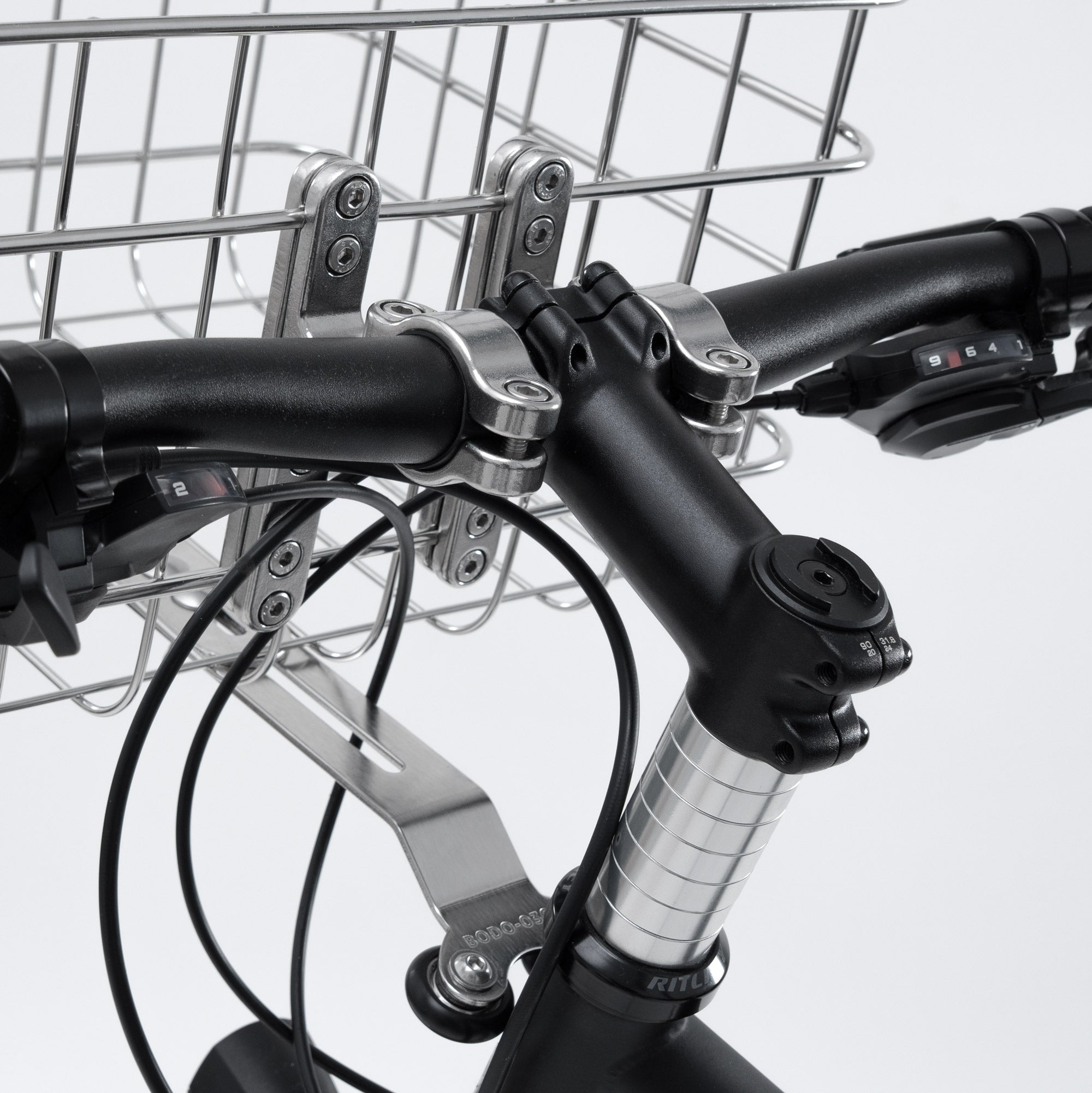
With mounting on the bicycle, the situation changes again.
The height, the environment and the perspective feel different – even if the process is familiar. That is why this step does not begin with riding, but at a standstill.
Your dog sits in the basket, the bicycle remains still. Only when there is no restlessness do light movements follow: steering, pushing, small shifts in weight.
It is not about moving forward, but about confirming stability.
The first meters
The first ride is not a goal, but a transition.
Short distances, low speed and simple surfaces help your dog classify the situation. Every unevenness is chosen deliberately, every change is introduced in a controlled way.
What is created here is more than habituation.
It is trust in a movement that was previously unfamiliar.
→ What a good bicycle dog basket must provide
Safety as a decision
When transporting in a handlebar-mounted basket, there are different approaches, both of which are valid.
A fully secured dog remains in the system and cannot leave the basket. A free or loosely secured dog, on the other hand, retains more freedom of movement and can react in an emergency.
Both variants have different advantages and disadvantages. The right decision depends on your dog’s behavior, your riding style and the specific situation.
What matters is not one solution – but that it is chosen consciously.
City and tour – two different requirements
Cycling with a dog changes depending on the environment.
In the city, external stimuli determine the situation: traffic, noise, frequent stops. On longer tours, the focus shifts to steady movement, endurance and comfort.
The training remains the same at its core, but the requirements evolve.
That is why it makes sense to prepare both situations specifically – through adapted training environments, a gradual increase in load and equipment that fits the respective use.
Conclusion
Cycling with a dog is not a trick and not a quick solution.
It is a process based on trust.
Those who take their time create the foundation for something that goes beyond transport: a form of shared mobility that becomes calm, natural and stable.
And that is exactly where the quality lies.


Leave a comment
All comments are moderated before being published.
This site is protected by hCaptcha and the hCaptcha Privacy Policy and Terms of Service apply.